





Google Ads vs. Facebook Ads: Which is Best for Your Business and Why?
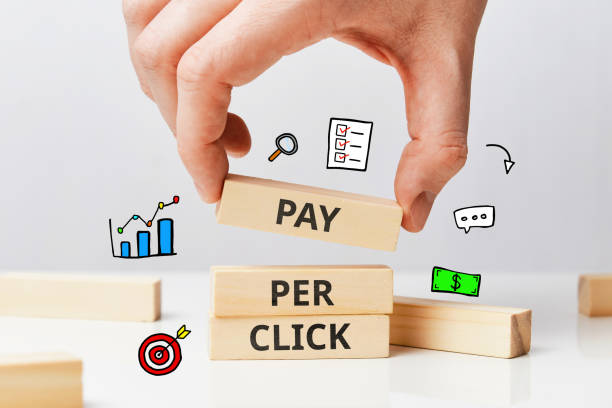
When it comes to digital advertising, two platforms often dominate the conversation: Google Ads and Facebook Ads.
Article
Content
Artificial intelligence isn't just for tech giants and Fortune 500 companies anymore. Today, businesses of every size are using AI-powered tools to market smarter, work faster, and connect with customers in ways that simply weren't possible a few years ago.
If you've heard a lot about AI lately and wondered what it actually means for your business — this is your no-nonsense guide to understanding it, using it, and staying ahead of the curve.
At its core, AI in digital marketing means using technology to analyze data, automate tasks, and make smarter decisions — faster than any human could do alone.
Think of it this way: instead of spending hours manually sorting through customer data or guessing which ads to run, AI does the heavy lifting for you. It identifies patterns, predicts what your customers want, and helps you deliver the right message to the right person at the right time.
For small and medium-sized businesses, that's a game changer.
Customers today expect experiences that feel personal and relevant — not generic. AI makes that possible even for small businesses by analyzing customer behavior and preferences to deliver tailored emails, product recommendations, and content that actually resonates.
AI-powered analytics take the guesswork out of your marketing strategy. Instead of relying on gut instinct, you get real data on what's working, what isn't, and where your best opportunities for growth are hiding.
One of the biggest advantages of AI for small businesses is automation. Repetitive tasks like scheduling social media posts, sending follow-up emails, and managing ad placements can all be handled automatically — freeing you up to focus on running your business.
From AI chatbots that answer customer questions instantly at 2am to website tools that create seamless browsing experiences, AI helps your business show up for customers even when you can't be there in person.
AI writing tools like ChatGPT and Jasper help businesses create blog posts, social media captions, email copy, and ad content faster than ever before — while maintaining a consistent brand voice. Think of it as having a writing assistant available around the clock.
AI can analyze your customer data and predict future behavior — like which customers are most likely to buy, when they're likely to buy, and what they're most interested in. This means you can focus your marketing efforts where they're most likely to pay off.
Both Google Ads and Facebook Ads already use AI under the hood to optimize ad placement, bidding, and targeting automatically. Businesses that understand and leverage these AI features get significantly better results from their ad spend.
AI chatbots can handle common customer questions, book appointments, and guide visitors through your website — 24 hours a day, 7 days a week. For small businesses that can't always be available, this is an incredibly powerful tool for improving customer experience and capturing leads around the clock.
E-commerce businesses are using AI to suggest the right products to the right customers at the right time — and to adjust pricing in real time based on demand and competition. The result is higher average order values and happier customers.
AI is powerful — but it's not without its challenges. Here's what to be aware of before diving in:
You don't need to overhaul your entire marketing strategy overnight. Here's a practical approach to getting started:
Start by identifying your biggest pain point. Is it saving time on content creation? Getting better results from your ads? Understanding your customer data better? Pick one area and start there.
Choose beginner-friendly tools. Platforms like HubSpot, Hootsuite, and SEMrush have AI features built right in and are designed to be accessible for non-technical users. Google Analytics 4 also offers powerful AI-driven insights with a relatively low learning curve.
Test, measure, and expand. Start with one small AI-powered initiative — like automating your email follow-ups or using AI to optimize your Google Ads — measure the results, and gradually expand your use of AI as you grow more comfortable.
Stay informed. AI is evolving rapidly. Following digital marketing blogs, attending webinars, and staying connected with a knowledgeable marketing partner will help you stay ahead of the latest tools and trends.
Businesses that embrace AI in their marketing today are gaining a real competitive edge over those that don't. The good news is you don't need a tech background or a massive budget to start benefiting from it. You just need the right tools, the right strategy, and the right team to help you put it all together.
At 88 Digital Marketing, we stay on the cutting edge of AI-powered marketing so our clients don't have to. Whether you're just getting started or looking to take your digital marketing to the next level, we'll build a strategy that uses the latest tools and technology to grow your business.
Don't let your competition get ahead while you're still figuring it out. Contact 88 Digital Marketing today and let's build a smarter, AI-powered marketing strategy that saves you time, reduces costs, and drives real results for your business.
Contact 88 Digital Marketing today and let's future-proof your marketing strategy together.
Author
Carmen J.
Co-Founder / Project Manager
Author
All
posts
Dive into our newsletter for a wealth of knowledge in digital marketing



Boost Your Online and Local Visibility
Expert-Backed Tailored Solutions
Growth Strategies Tailored to You