



SEO Demystified: How Small Businesses Can Dominate Local Search Results
Unlock the secrets of local SEO for small businesses. Learn actionable strategies to boost your visibility and attract local customers with simple, effective techniques.
Article
Content
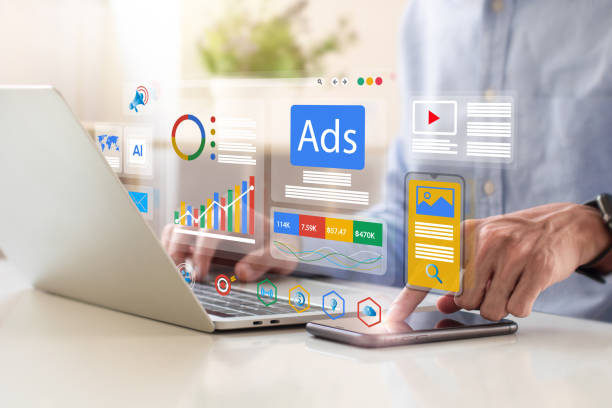
If you've ever wondered where to spend your advertising budget online, you're not alone. Google Ads and Facebook Ads are two of the most popular digital advertising platforms available — and choosing between them can feel overwhelming. The good news? Once you understand how each one works, the choice becomes a lot clearer.
Here's a straightforward breakdown to help you decide which platform makes the most sense for your business.
Before diving into costs and targeting, it helps to understand what each platform actually does.
Google Ads shows your business to people who are actively searching for what you offer. When someone types "best plumber near me" or "affordable accounting services," Google Ads puts your business right at the top of those results.
Facebook Ads works differently. Instead of targeting people who are searching, it puts your business in front of people based on who they are — their age, location, interests, and behaviors — even if they weren't actively looking for you.
Both platforms are powerful. They just work at different stages of the customer journey.
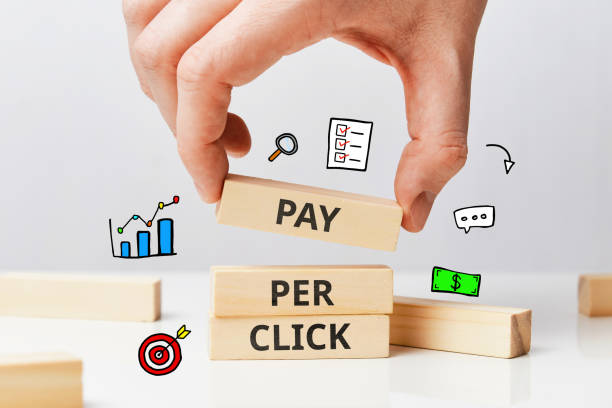
Bottom Line: Facebook Ads tend to cost less per click, but Google Ads connects you with customers who are ready to take action — often making the higher cost worth it.
Google Ads targets people based on what they're searching for, making it ideal for capturing high-intent customers at the exact moment they need your product or service. Targeting options include keywords, location, device type, and remarketing to previous website visitors.
Facebook Ads targets people based on who they are. You can reach specific audiences by age, gender, income level, interests, hobbies, and even behaviors. You can also use lookalike audiences to find new customers who share similarities with your existing ones.
Bottom Line: Use Google Ads to reach customers actively searching for what you sell. Use Facebook Ads to reach your ideal audience before they even know they need you.
Bottom Line: Google Ads is great for straightforward, intent-driven campaigns. Facebook Ads gives you more creative flexibility to tell your brand's story visually.
The honest answer is — it depends on your goals.
Google Ads delivers strong ROI when your customers are actively searching for your product or service. It works especially well for service-based businesses, local businesses, and industries with high search volume like healthcare, legal, and home services.
Facebook Ads delivers strong ROI for businesses focused on building brand awareness, growing an audience, and nurturing customers over time. It's particularly effective for e-commerce businesses and B2C brands where visuals and storytelling drive purchasing decisions.
There's no one-size-fits-all answer when it comes to Google Ads vs. Facebook Ads. The best platform for your business depends on your goals, your audience, and your budget. Many businesses see the best results by using both platforms together — reaching new audiences on Facebook and converting ready-to-buy customers on Google.
Not sure where to start? That's exactly what we're here for.
At 88 Digital Marketing, we specialize in building PPC campaigns that are tailored to your business goals and designed to deliver real, measurable results — whether that's on Google, Facebook, or both.
Contact 88 Digital Marketing today and let's build a digital advertising strategy that turns your budget into growth.
Author
Justin J.
Founder / SEO & Web Design Specialist
Author
All
posts
Dive into our newsletter for a wealth of knowledge in digital marketing



Boost Your Online and Local Visibility
Expert-Backed Tailored Solutions
Growth Strategies Tailored to You